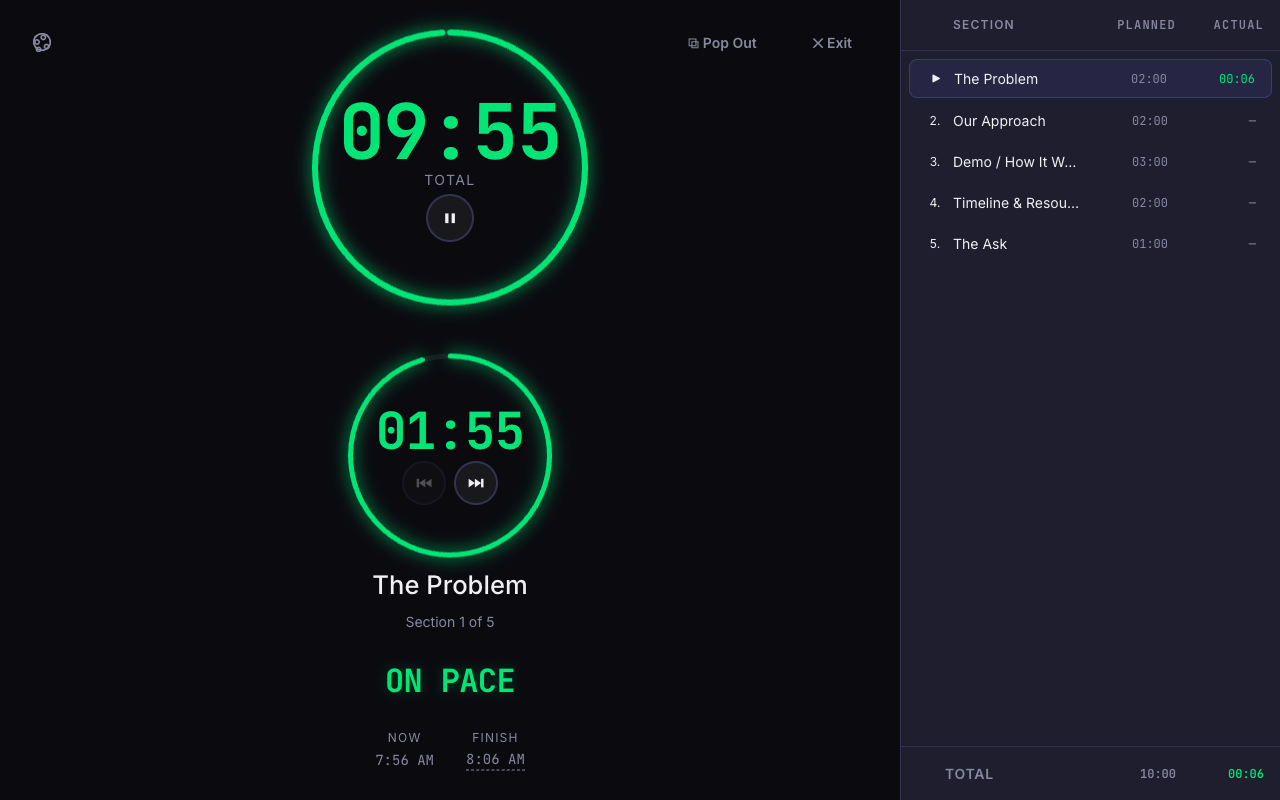
I was always losing track of how much time I needed for each section of a presentation. The opening would go great, then I would look up with five minutes left and half the material to go. So I built a timer that lets me plan a talk section by section and shows me exactly where I should be. My pacing got a whole lot better.
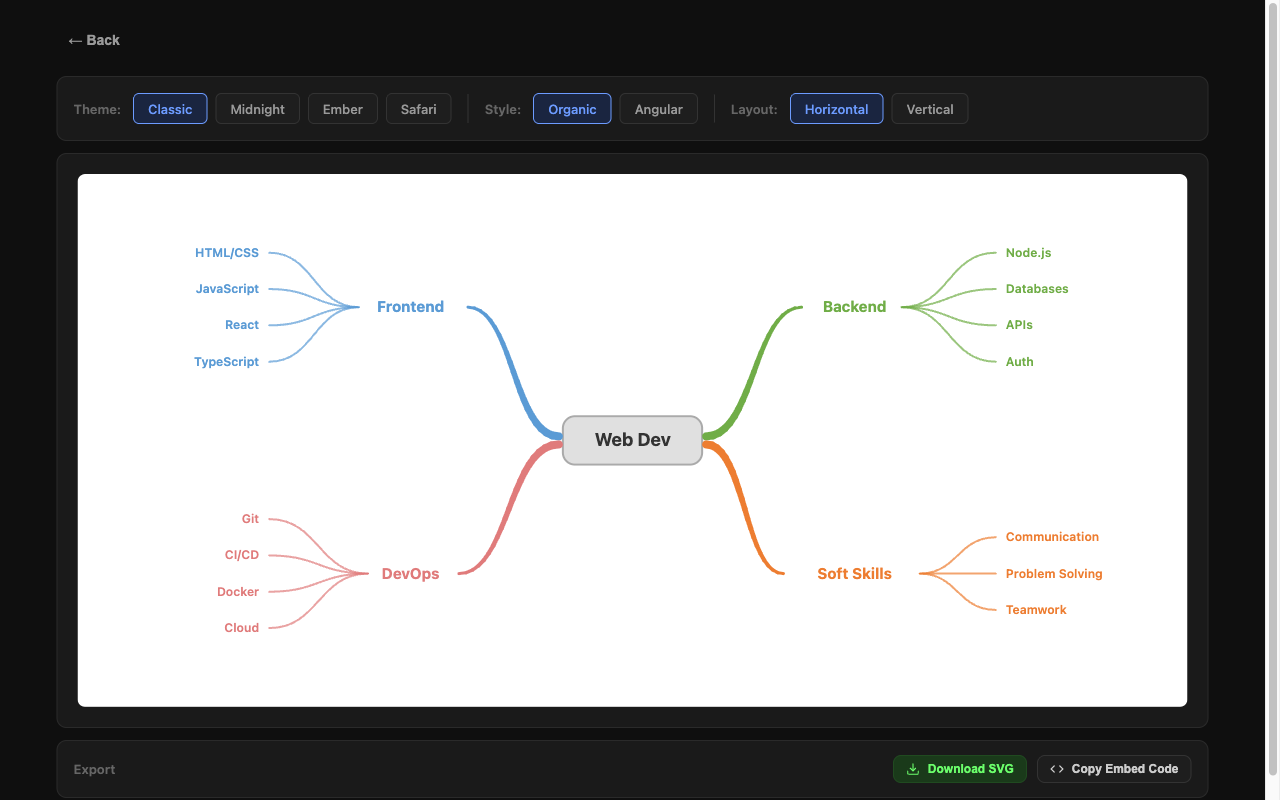
I needed some clean mindmap diagrams for pages I was creating, and I was not happy with the tools out there. So I made my own. It draws crisp mindmaps and exports them as SVG, so they drop straight into documents and web apps without looking pasted in.
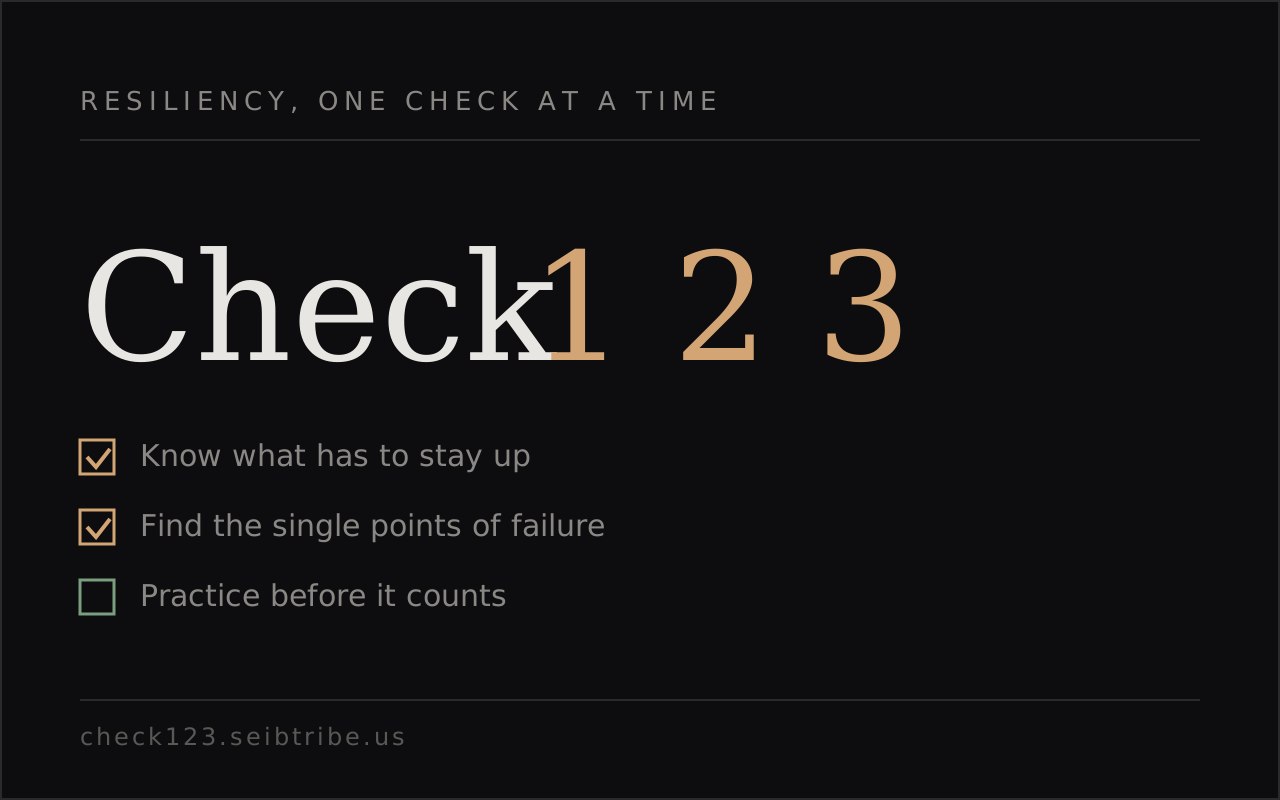
My years at AWS let me see hundreds of customers wrestling with enterprise resiliency. Maturity levels swung wildly and the ambitions were huge. But the teams that avoided the big outages were rarely the ones with the most elaborate designs. They were the ones who started simple and nailed the basics. This site is that starting point.
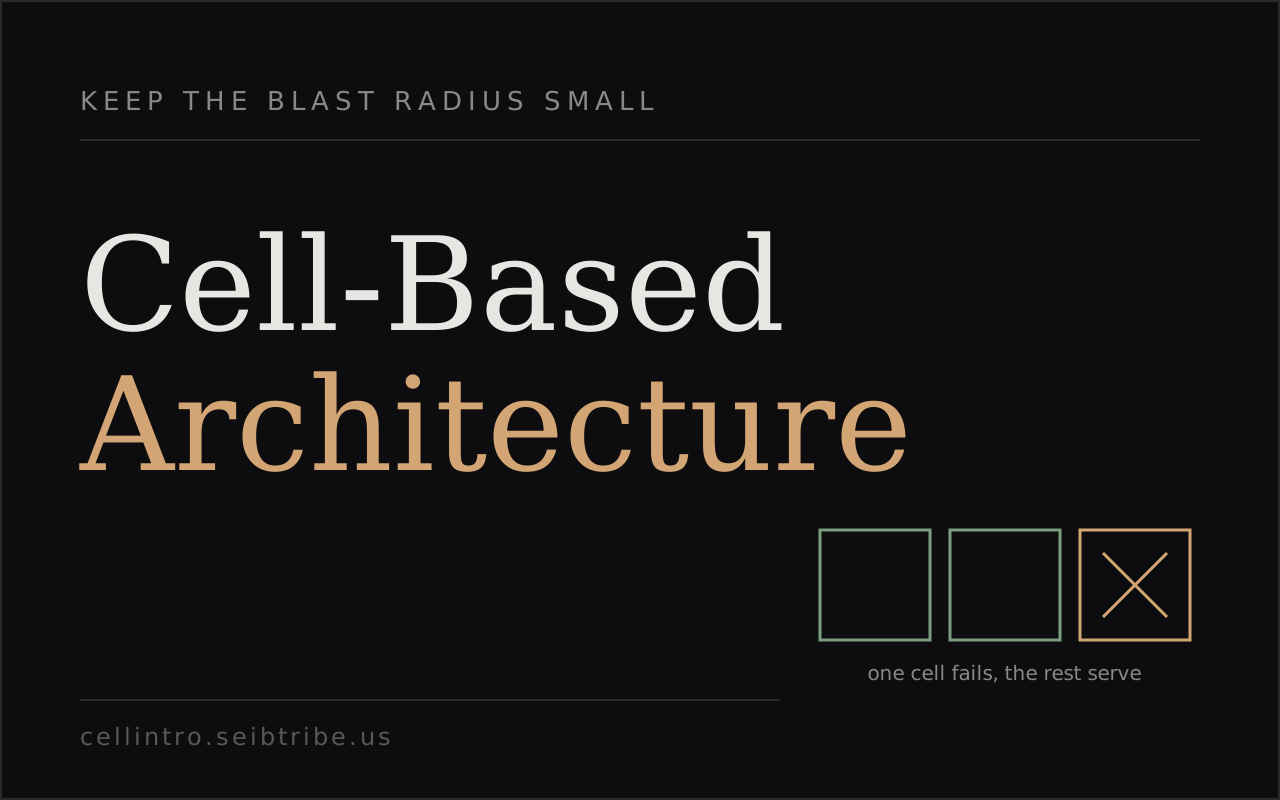
Born from those same hundreds of customer conversations. Cell-based architecture is one of the best ideas in large-scale resiliency: keep the blast radius small, so when one cell has a bad day the rest keep serving. Most introductions drown you in theory, so I built a simple one. Start small, understand the idea, then grow into the ambition.
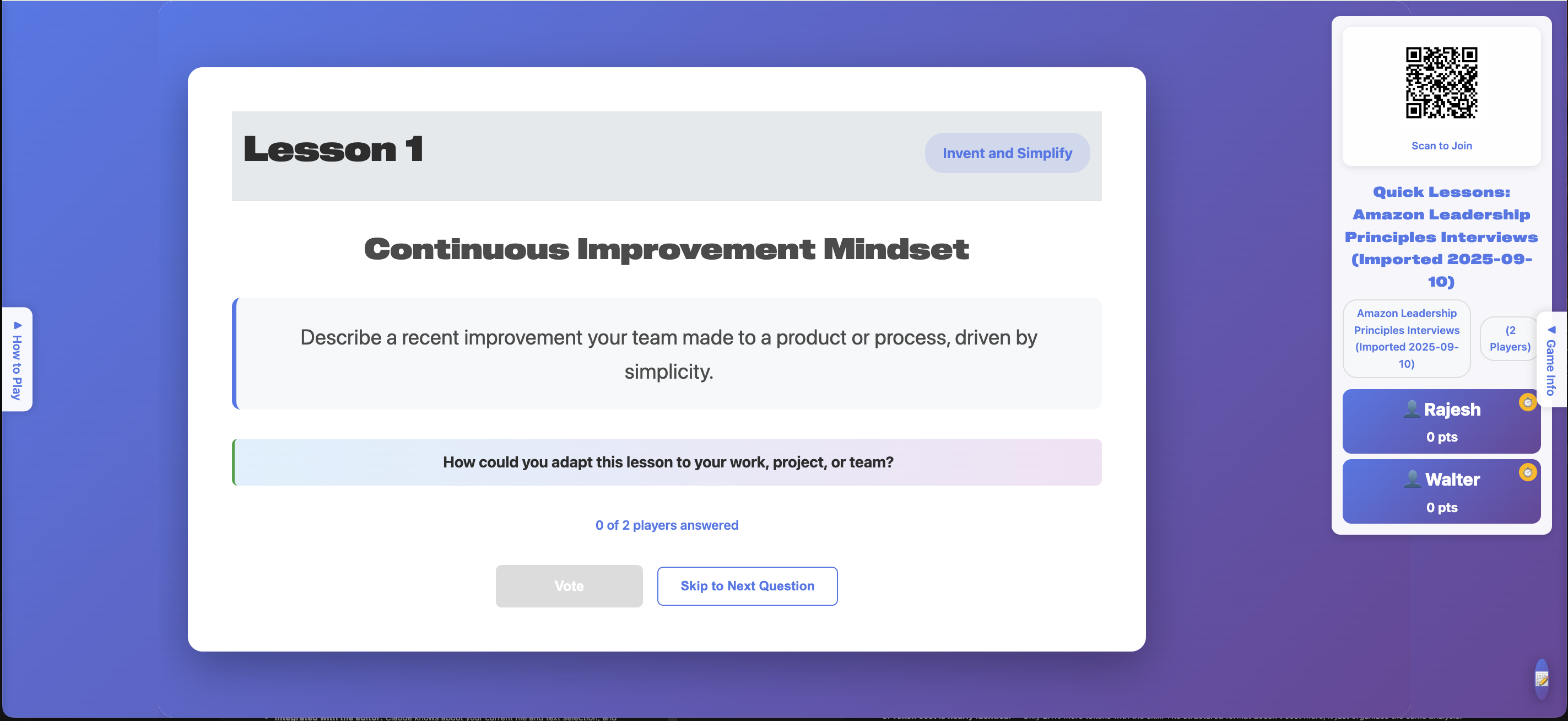
Team meetings where everyone nods and then nothing happens used to drive me a little crazy. Engage runs quick sessions where a team ideates, votes, and walks out with real actions. It also does trivia, because some meetings just need trivia.
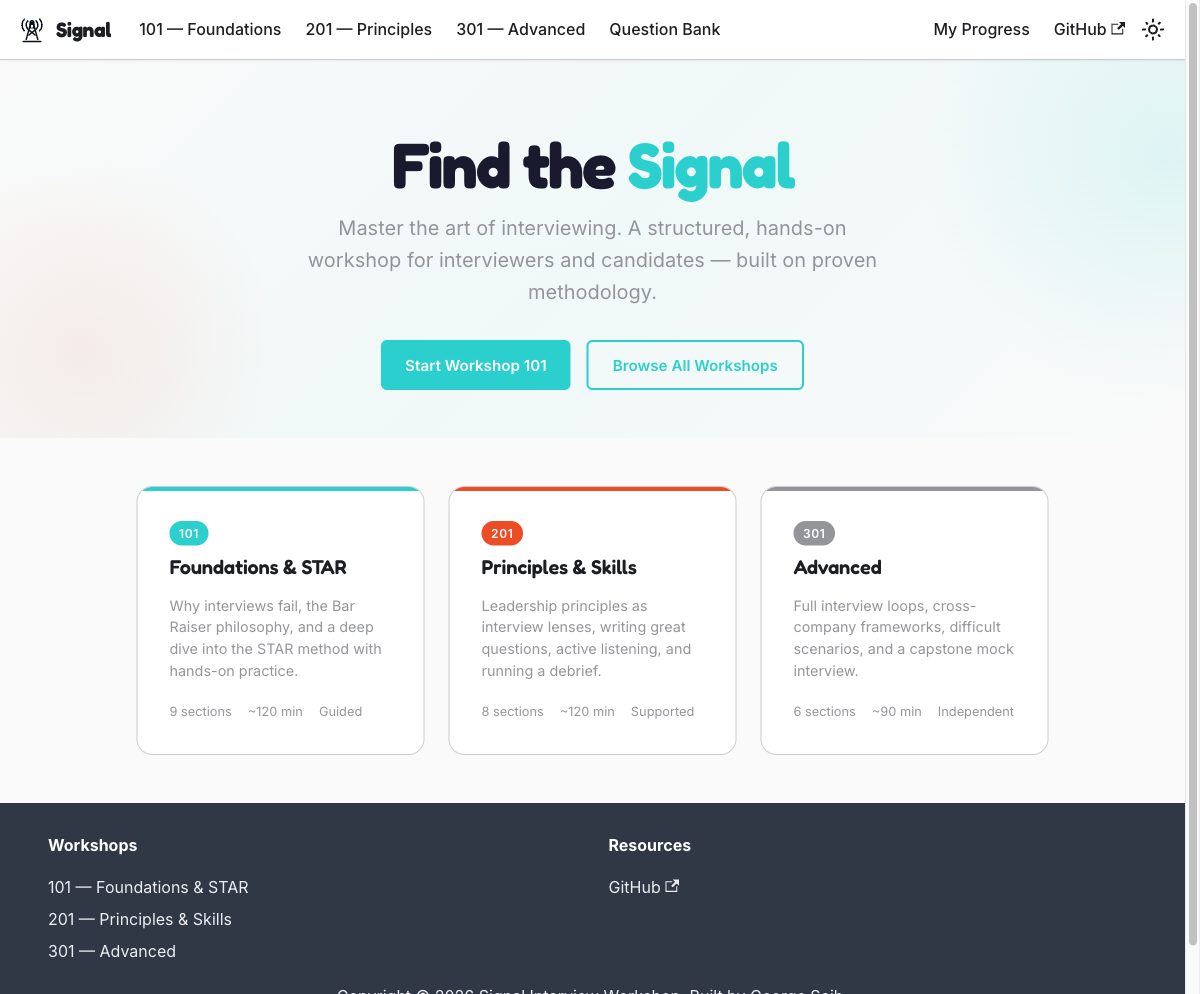
I sat through more than 350 interviews at AWS and watched both sides of the table struggle. Interviewers ask questions that reveal very little, and great candidates bury their best stories. Signal helps interviewers ask questions with lasting hiring impact, and helps candidates explain their real value without rambling.
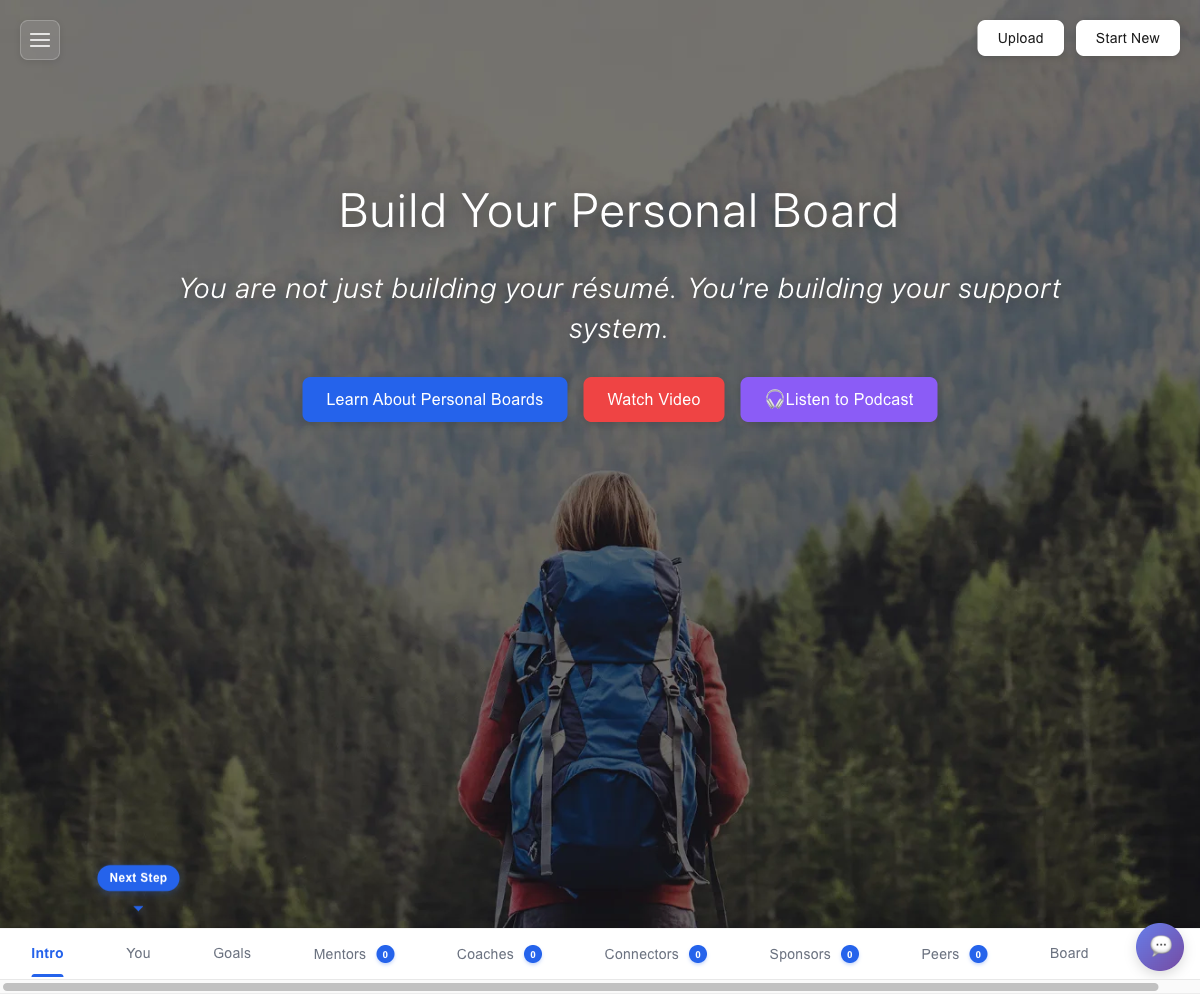
Everyone tells you to build your network. Nobody tells you how. Board helps you assemble a personal board of directors: mentors, coaches, sponsors, and connectors, each chosen for a reason. Networking with purpose beats collecting contacts.
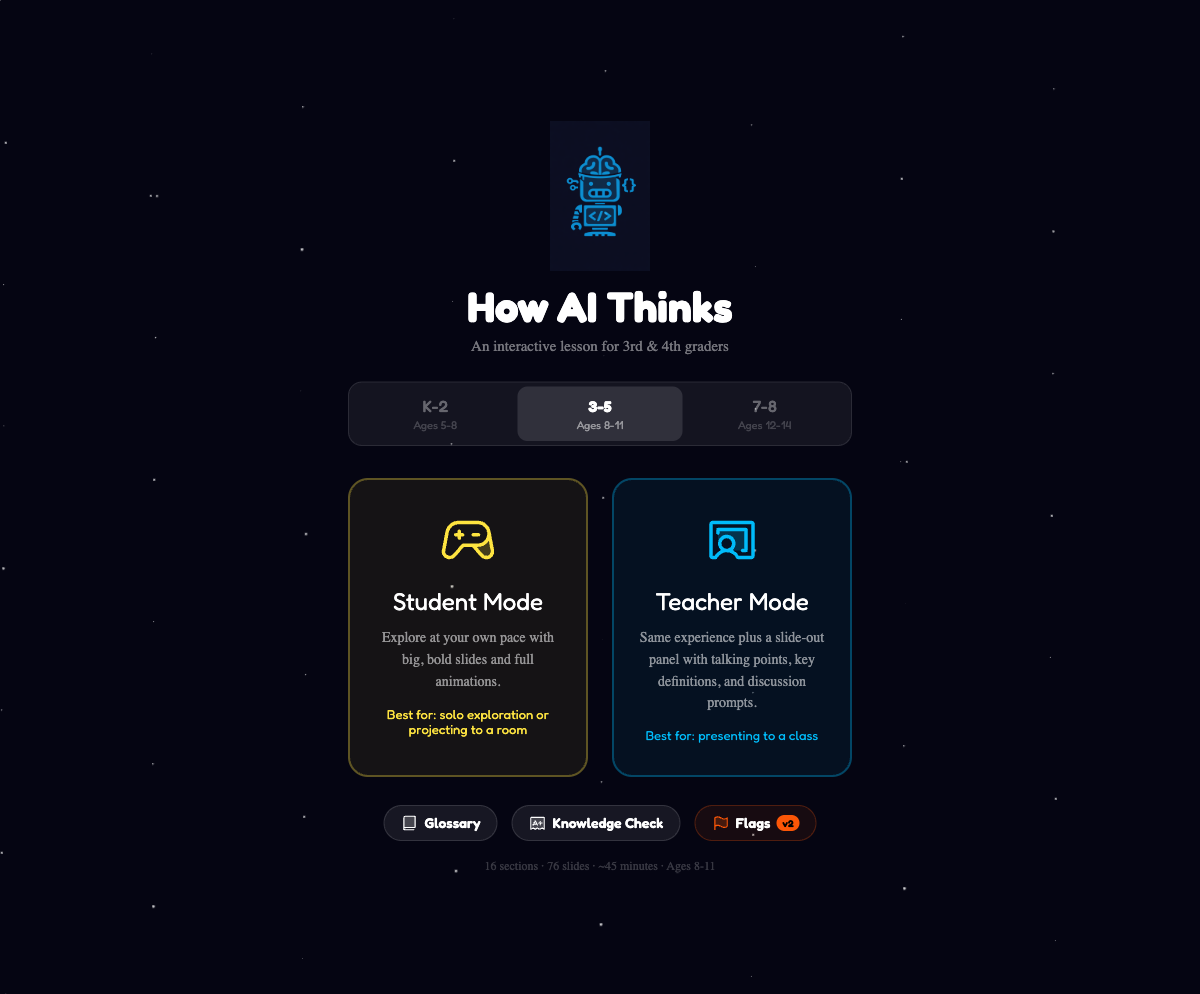
The best questions I get about AI come from kids. This one teaches K-8 students how generative AI actually works, through interactive lessons that keep the sense of wonder while losing the hand waving.
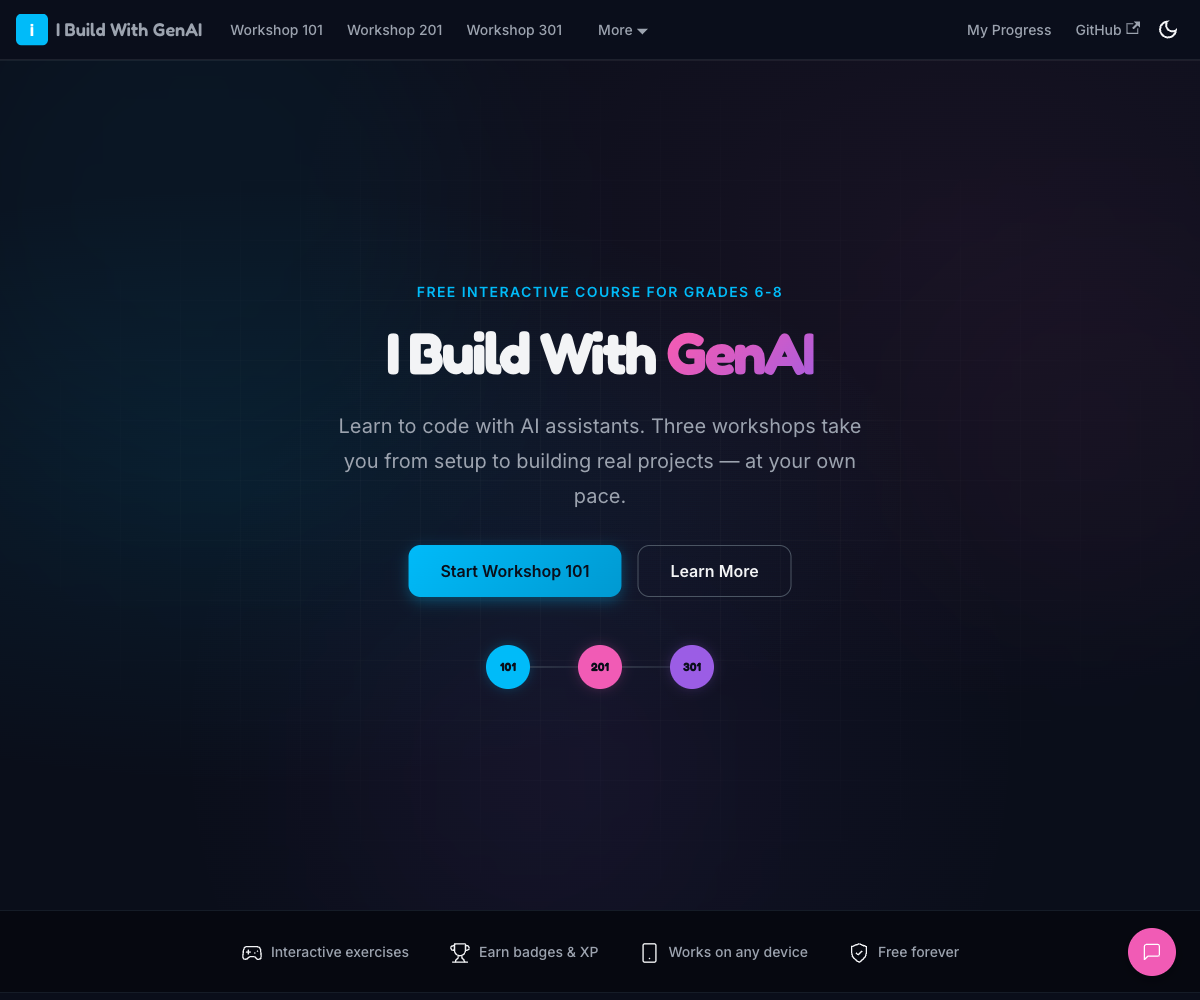
The natural next step. A free course for grades 6 to 8 that takes students from a blank screen to building real projects with an AI assistant. Three workshops, hands-on exercises, badges to earn, and it works on whatever device they already have.
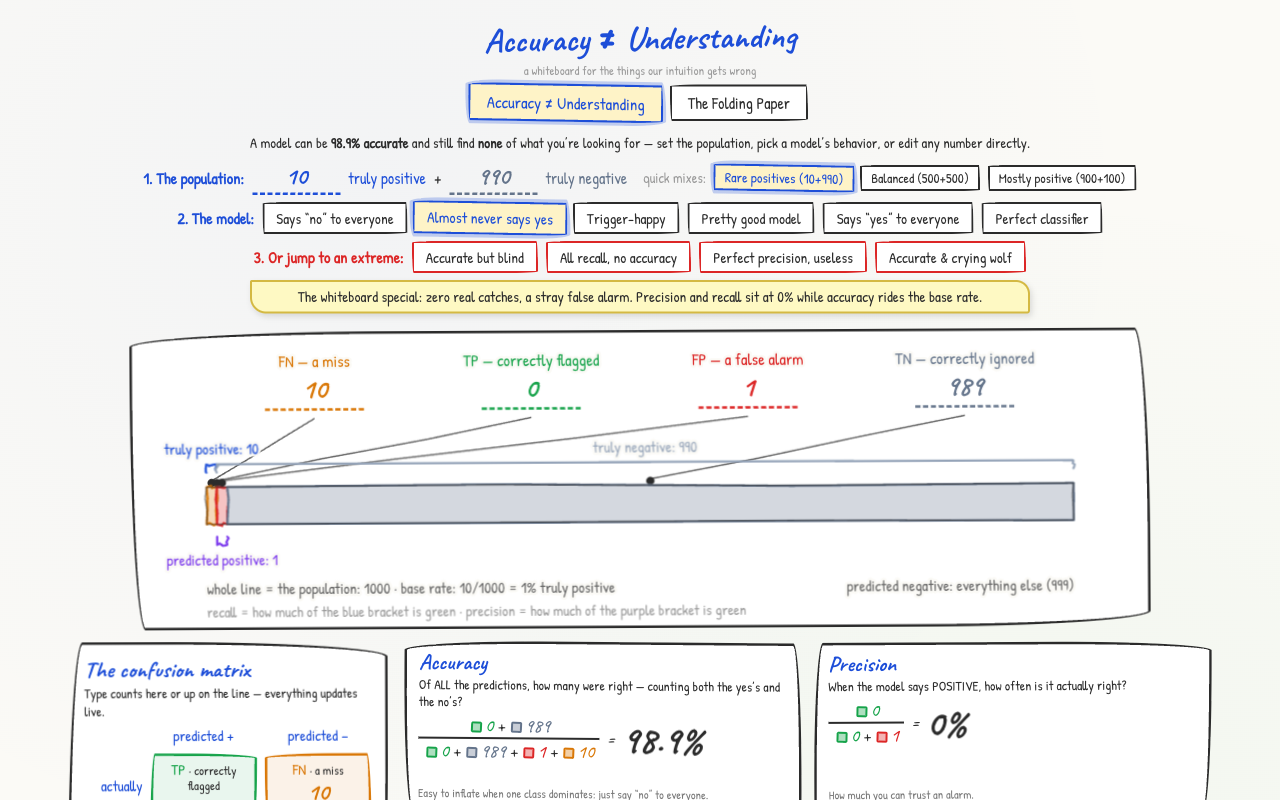
A model that is 95 percent accurate sounds great, right up until you learn what it misses. This is my whiteboard walk-through of precision, recall, and the rest of the family, so accuracy stops being the only number people quote in meetings.
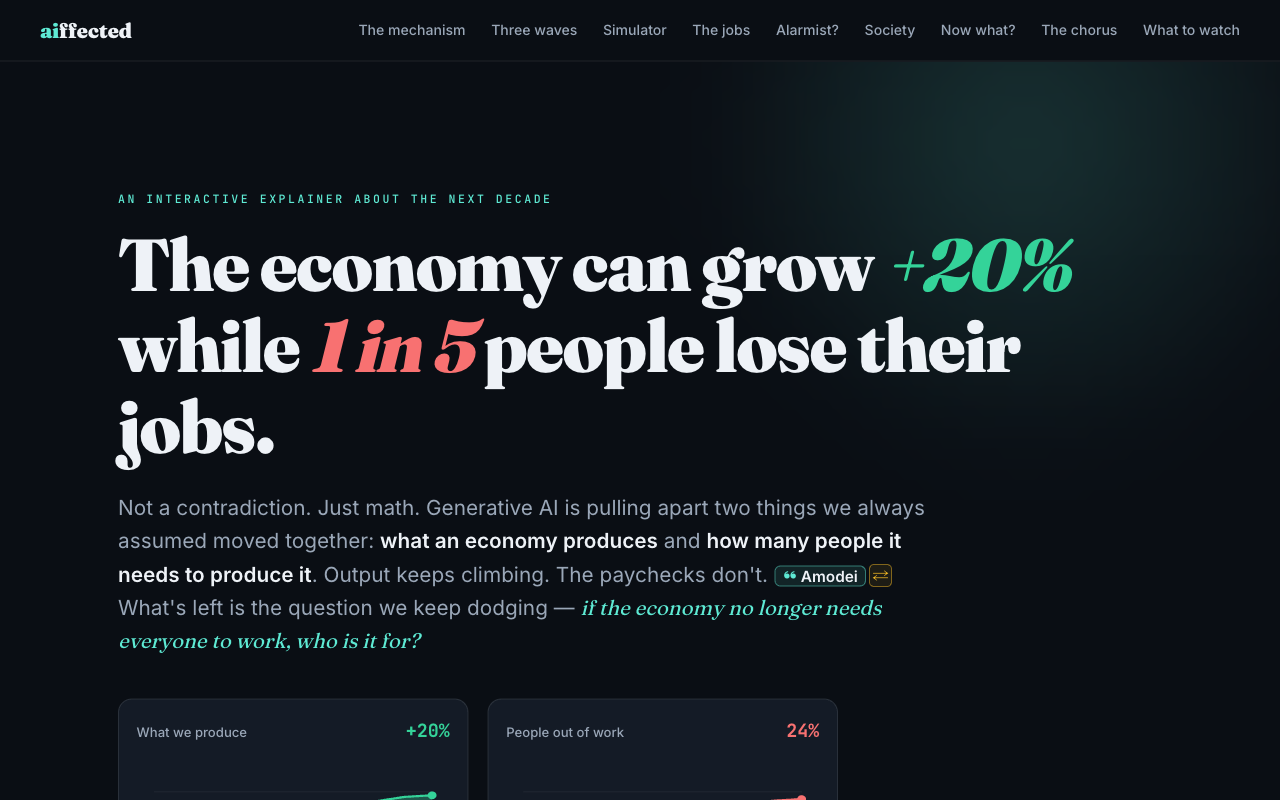
What happens when the economy grows but the jobs do not? Output keeps climbing while paychecks lag behind. I built this interactive explainer to think the question through for myself, then realized other people might want to walk through it too.
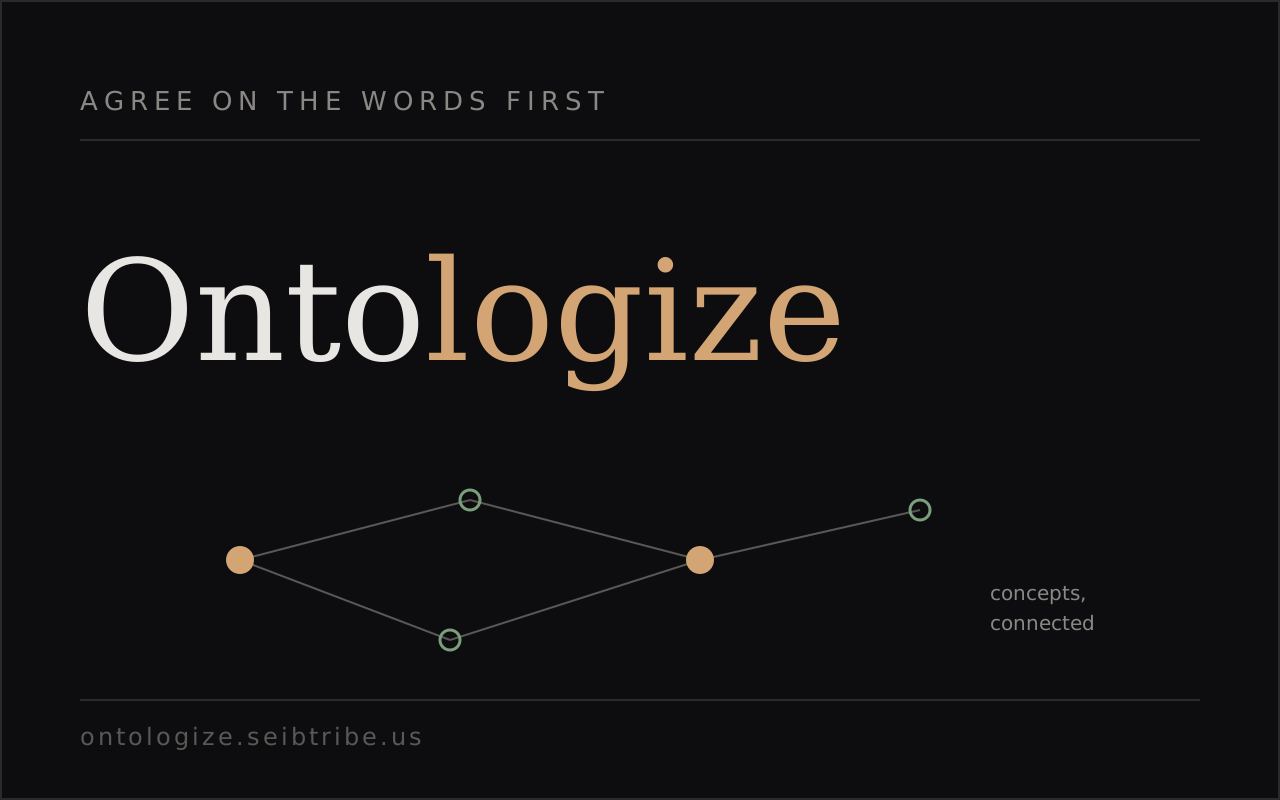
Every hard project eventually hits the same wall: a room full of smart people using the same words to mean different things. Ontologize is my tool for pinning concepts down and connecting them, so shared vocabulary becomes an actual map. Agree on the words first and the architecture arguments get a lot shorter.